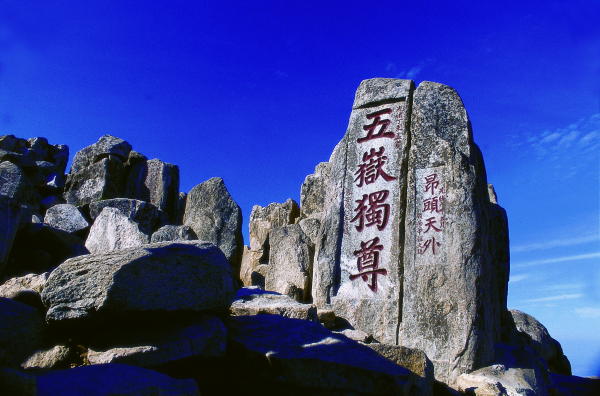
Taishan Mountain
Introduction
Taishan Mountain, one of China's most revered natural wonders, is situated in Tai'an city, Shandong province. Encompassing a vast area of 426 square kilometers, its summit, the jade Emperor Peak, rises to an elevation of 1,545 meters. Recognized as a UNESCO World Cultural and Natural Heritage site in 1987, Taishan Mountain holds a prestigious status among China's Five Great Mountains. Its magnificence and historical importance have established it as a symbol of peace and unity throughout Chinese history. The mountain is renowned for its stunning landscapes, characterized by rugged cliffs, deep gorges, and unique rock formations. These natural features are complemented by lush vegetation, flowing springs, and the melodious sounds of birds, creating a tranquil and picturesque setting. Taishan Mountain's significance as a cultural icon is further enhanced by its connections to ancient Chinese emperors who performed ceremonial rituals and worshipped deities on its slopes. The mountain's grandeur has inspired numerous traditional Chinese poets and artists, resulting in a wealth of literary and artistic tributes.
History
Ancient Significance
The historical significance of Taishan Mountain can be traced back to ancient times when it served as a central hub for cultural and religious practices in China. Revered as a sacred peak, it held a crucial role in the spiritual life of ancient Chinese civilization. The mountain functioned as a sacred ground where emperors from various dynasties, such as the Qin and Han, conducted elaborate rituals and presented offerings to the gods. One of the prominent historical figures associated with these ceremonies on Taishan Mountain is Emperor Wu of the Han Dynasty, famously known as Han Wudi. In 110 BC, Han Wudi ascended Taishan Mountain to perform the fengshan ceremony, a symbolic act that reaffirmed his divine right to rule and bolstered his leadership. This event underscored the mountain's significance as a symbolic center of imperial authority and spiritual harmony. These rituals were believed to secure divine favor and blessings for the nation, underscoring Taishan Mountain's importance as a symbol of continuity and stability. Its rich history is preserved in the numerous stone inscriptions and artifacts scattered across the mountain, providing valuable insights into China's ancient cultural and religious customs.
Cultural Development
The cultural evolution of Taishan Mountain is intricately woven into the development of Chinese civilization itself. Throughout the centuries, the mountain has emerged as a source of artistic and literary inspiration. It has drawn scholars, poets, and artists seeking solace and creative inspiration in its peaceful surroundings. The mountain's charm is immortalized in numerous literary works that extol its magnificent landscapes and tranquil atmosphere. The artistic treasures embellishing its slopes, many of which trace their origins to ancient times, mirror the profound cultural and religious convictions that have influenced Chinese society. These artifacts stand as a testament to Taishan Mountain's enduring significance as a custodian of China's diverse cultural heritage.
modern times
In modern times, Taishan Mountain remains a crucial cultural and natural icon. Its recognition as a UNESCO World Heritage site highlights its worldwide importance and the imperative of conservation. The mountain continues to attract tourists and pilgrims from around the globe, allured by its natural splendor and historical significance. Initiatives to safeguard and showcase Taishan Mountain's cultural legacy have spurred diverse projects to improve access and visitor engagement. The blend of contemporary infrastructure enhancements with time-honored preservation endeavors guarantees that Taishan Mountain perseveres as a dynamic testament to China's rich history.
Geography
Location and Climate
Taishan Mountain is strategically situated in Tai'an city of Shandong province, located in eastern China. This geographic location positions it within the lower region of the Yellow River basin, renowned for its fertile plains and profound historical importance. Taishan Mountain experiences marked seasonal changes in climate, featuring chilly winters and balmy summers. The mountain's elevation plays a role in shaping its distinctive microclimate, fostering a wide array of plant and animal species. Weather patterns on the mountain can notably differ from its foothills to its peak, with lower temperatures and intermittent mist shrouding the higher elevations, enhancing its mystical charm.
Natural Features
The natural features of Taishan Mountain showcase its geological and ecological richness. The mountain is celebrated for its breathtaking landscapes, characterized by rugged cliffs, deep canyons, and impressive rock formations. These geological wonders are interspersed with verdant vegetation, creating a seamless tapestry of natural splendor. Taishan Mountain also boasts numerous springs and streams that add to its scenic allure. The varied ecosystems present on the mountain sustain a diverse array of plant and animal life, underscoring its designation as a biodiverse hotspot. Unique natural occurrences, like the jade-hued sea of clouds and the awe-inspiring sunrises, further cement Taishan Mountain's reputation as a natural marvel.
Cultural Significance
Mythology and Religion
Taishan Mountain has long been shrouded in layers of mythology and religious significance. In Chinese lore, the mountain is often described as a sacred domain inhabited by gods and celestial entities. It is revered as the dwelling place of the jade Emperor, a central figure in Chinese folk religion. This mystical depiction has elevated the mountain's stature as a destination for pilgrims following Daoism, Buddhism, and Confucianism. Throughout the ages, numerous temples and shrines have been constructed on Taishan Mountain, each devoted to different deities and spiritual traditions. Of these, the Bixia Temple stands out for its spiritual ambiance and the enigmatic halo that surrounds it, drawing devotees and seekers of spiritual enlightenment from distant lands.
Pilgrimages and Festivals
For centuries, Taishan Mountain has drawn pilgrims in search of spiritual insight and divine favor. The practice of making a pilgrimage to Taishan Mountain dates back to ancient times, when both emperors and ordinary people would ascend the mountain to honor the gods. This custom endures today, with thousands of pilgrims making the journey to Taishan Mountain each year to participate in sacred rituals and make offerings. Taishan Mountain is also the setting for a variety of cultural festivals that highlight its religious and cultural legacy. These festivals feature lively ceremonies, traditional performances, and communal feasts, providing a platform for cultural interchange and merrymaking. The mountain's cultural vitality is further showcased through events like the Taishan Mountain International Mountain Climbing Festival, which unites participants from across the globe in cultural and recreational pursuits.
Tourism
Major Attractions
Taishan Mountain boasts a wealth of attractions that mesmerize visitors with their natural splendor and historical importance. Among the standout locations are the jade Emperor Peak, which offers awe-inspiring panoramic vistas of the surrounding scenery, and the Dai Temple, the mountain's largest and most well-preserved structure. This temple complex is embellished with ancient inscriptions and sculptures that provide glimpses into the religious and cultural customs of ancient China. Moreover, the mountain's pathways are flanked by numerous lesser-known yet equally captivating spots, like the Wangmuchi Temple, celebrated for its historical significance and the dazzling golden ginkgo leaves that grace its surroundings. These points of interest, combined with the mountain's natural marvels, deliver a distinctive fusion of cultural and scenic delights for visitors.
Visitor Information
Travelers to Taishan Mountain can take advantage of a range of amenities and services tailored to enrich their visit. The mountain is easily accessible via well-maintained hiking trails and cable cars that cater to different preferences and fitness levels. However, amenities and access can vary with the time of year, so travelers should check the latest information when planning their trip. To accommodate the steady stream of visitors, the surrounding area features a selection of accommodations, from quaint traditional inns to contemporary hotels. Local tourism authorities have introduced conveniences like online ticket reservations and audio guides to ensure seamless and educational experiences. It is encouraged that visitors explore the mountain's trails and attractions responsibly, showing reverence for the cultural and natural legacy of this renowned location. Furthermore, the local cuisine and handicrafts offer a glimpse into the cultural tapestry of the region, allowing visitors to immerse themselves in the authentic local lifestyle.
Conservation Efforts
Preserving Taishan Mountain is of utmost importance to safeguard its natural and cultural legacy. Designated as a UNESCO World Heritage site, Taishan Mountain adheres to rigorous conservation protocols aimed at safeguarding its distinct ecosystems and historical treasures. Ongoing efforts prioritize maintaining the mountain's ecological equilibrium through the promotion of sustainable tourism practices and the reduction of environmental impact. These endeavors encompass habitat rehabilitation, afforestation projects, and the safeguarding of indigenous endangered species. Culturally, preservation initiatives concentrate on protecting the mountain's historical relics, inscriptions, and architectural marvels. Effective collaboration among local authorities, conservation groups, and the community is essential in realizing these objectives, ensuring that Taishan Mountain endures as a cherished heritage for generations to come.








